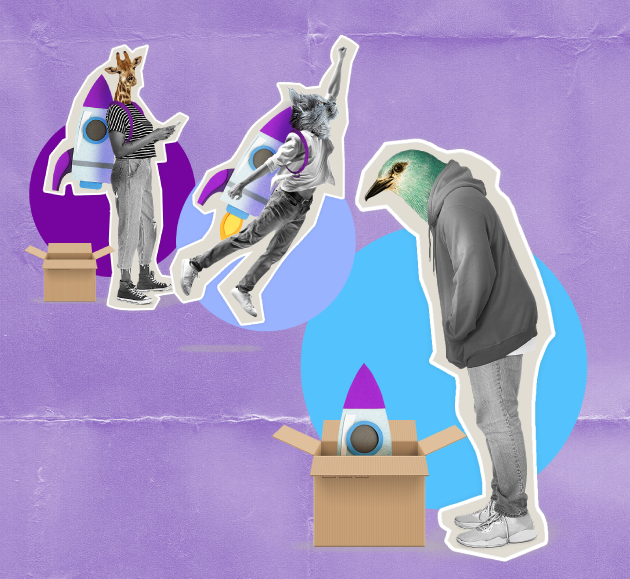
In a world where productivity and constant work are highly valued, it may seem counterintuitive to suggest that pausing work could actually improve our ability to work. However, more and more studies and personal experiences show that disconnection and rest are essential for maintaining a healthy mind and body and for performing our best at work. So, how does rest improve work performance?
The Science of Rest
Our brains are not designed to work nonstop. They need time to process information, create connections, and recharge. The simplest example is sleep. During REM, the brain replenishes neurotransmitters that organize neural networks essential for remembering, learning, performance, and problem-solving. When we allow our brains to rest, we give them the opportunity to reorganize and integrate new ideas and knowledge.
Avoiding Burnout
Burnout is a reality for many people today. It is characterized by a state of physical, emotional, and mental exhaustion caused by prolonged stress. Taking time to disconnect from work can prevent burnout, allowing us to regain our energy and maintain a positive perspective on our work responsibilities, or even better, spark epiphanies and great ideas!
Boosting Productivity
Although it may seem contradictory, taking regular breaks can actually improve productivity. Studies have shown that people who take frequent breaks are more efficient and make fewer mistakes than those who try to work long hours without stopping. These breaks allow the brain to rest and recharge, resulting in better focus and efficiency when we return to work.
Fostering Creativity
Creativity cannot be forced. Often, the best ideas come when we are relaxed and disconnected from work. Taking a walk, engaging in a hobby, or simply unplugging from screens can open our minds to new perspectives and creative solutions that we might not have found otherwise.
The Importance of Balance
Finding a balance between work and rest is essential for a healthy and productive life. This entails establishing and upholding distinct boundaries between work and personal time. It also entails appreciating the value of extracurricular pursuits, including social interaction, physical activity, and personal leisure.
Some Tips for Resting to Work Better
Here’s an excerpt from Greater Good Magazine that shares science-based insights with 5 suggestions on how we can incorporate more rest and rejuvenation into our workday:
- Be an early bird: Many of history’s most creative and prolific figures start work earlier, sometimes before dawn, and concentrate on their most challenging work first when their creative energy is bound to be at its peak. They also tend to set up routines, so that they don’t waste brainpower recreating the wheel every day and taking up valuable creative energy.
Or, be a busy night owl! You function best when you function best. Get to know your personal productivity cycle and establish a better work routine. By getting in tune with your energy, you can know when it is the moment when you can actually dive in and conquer tasks with focus and precision. - Take a walk: Researchers at Stanford did a series of experiments looking at the effects of walking on creativity, as measured by a test of divergent thinking, and the results showed that walking and being outside each separately led to better performance on the test, some even carried that over into performance on future tests.
- Fancy a nap? Sleep scientists have found that a short nap can be effective in recharging your mental batteries. The most obvious benefit of napping is that it increases alertness and decreases fatigue. Even a short nap of around 20 minutes boosts your ability to concentrate by giving your brain a chance to restore depleted energy.
- Know when to be a quitter! While many of us may feel that pushing ourselves to work long, unbroken hours is the best way to be productive, science suggests otherwise. In fact, working longer may lead to stress, burnout, disengagement from work, and poorer performance on the job. It can also kill creativity and innovation.
- Zzzzz: Sleeping is, of course, the ultimate form of rest and an important part of a creative and productive life. When we fall asleep, our bodies shift into maintenance mode and devote themselves to storing energy, fixing or replacing damaged cells, and growing, while our brains clean out toxins, process the day’s experiences, and sometimes work on problems that have been occupying our waking minds. Many researchers have found that REM sleep is particularly important for performance.
- Hack your hormones! Harper’s Bazaar shares with female audiences how by getting to know their cycle and the different phases they can use the time to their advantage and make the most of that phase when they are experiencing it. some text
- During menstruation, it’s a great idea to cut back on work tasks and avoid the pressure of inflexible deadlines.
- Around days 8-14, as you may well be feeling more proactive, it’s a good time to learn new things, get creative work completed, and start new projects.
- Around days 15-21, both estrogen and testosterone rise to reach their respective peaks, which could contribute to the feeling of being energetic and proactive. For many, this is the ideal time to schedule important meetings, more difficult conversations, or team activities.
- Around days 22-28, both estrogen and progesterone rise during this phase before dropping significantly. As progesterone has a calming effect, your mind can start to feel slow compared to previous weeks. It is ideal to concentrate on simpler tasks like admin.
In Conclusion
In summary, stopping work to work better is not just an attractive idea but a necessity for maintaining our well-being and performance. Disconnection and rest are not signs of weakness but smart strategies to ensure we can give our best at work. So, next time you feel you need a break, remember that you are investing in your own long-term productivity and success!
Keywords: Productivity, how to improve my work performance, creativity, memory, problem-solving skills, burnout, efficiency at work, work-life balance, innovation, cycle syncing


%2520(2).jpeg)